
NJ Compliant Rifles and Shotguns: What You Can Actually Own and Shoot
Are you currently residing in Lakewood, New Jersey, and looking to purchase a rifle or a shotgun? If so, you need to understand New Jersey’s rifle laws to determine what you can legally buy, own, and bring with you to the gun range.
In this guide, you’ll learn about NJ rifle laws, where to fill out your application for a Firearms Purchaser Identification Card, and what is and isn’t compliant. You’ll also see some common examples of what is and isn’t allowed in New Jersey, which can help you square the legal requirements with what’s actually available in gun stores.
First Things First: FID Basics for Lakewood Rifle and Shotgun Owners
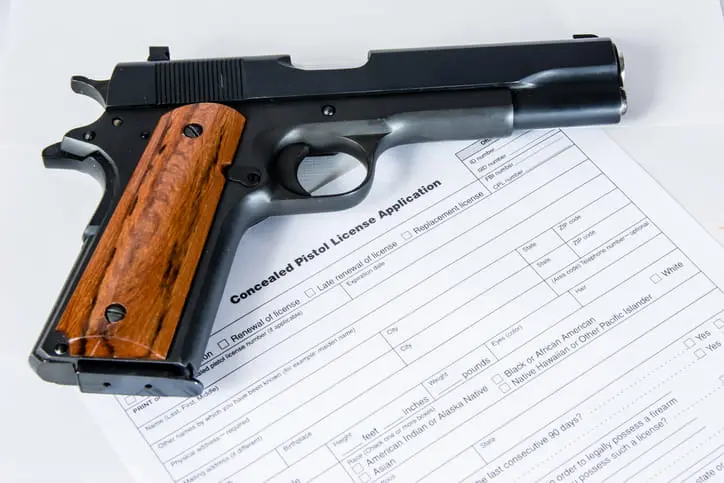
Before purchasing a firearm in New Jersey, you must apply for a Firearms Purchaser Identification Card on the New Jersey State Police website. The Firearms Application & Registration System (FARS) is also used to process permits to purchase handgun applications.
Apply via NJ FARS, then head to your local PD to take care of any additional payments. You must be at least 18 years old, undergo a background check, submit to fingerprinting, and pay a small state fee. Your FID will be valid as long as you remain legally eligible to own a firearm under state and federal laws.
Once you obtain your FID, there’s no cap on the number of rifles or shotguns you can buy. However, you can only possess NJ-compliant rifles and shotguns.
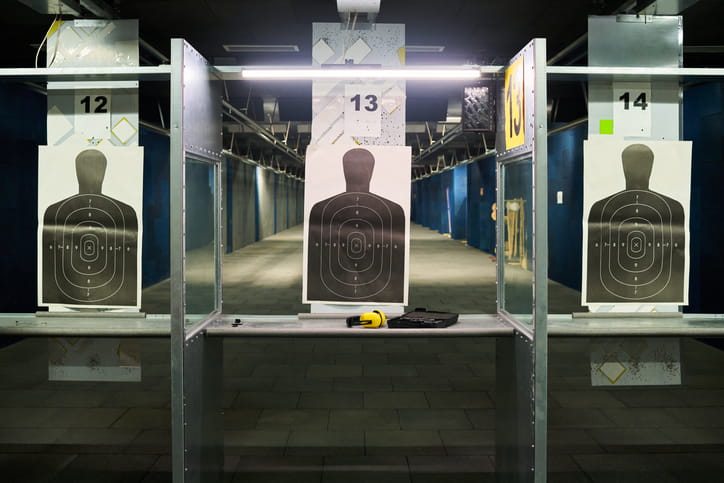
Want to try before buying a shotgun in NJ? Visit WESHOOT and rent long guns and handguns at our range.
NJ-Compliant Rifles: What’s Commonly Legal?
NJ rifle laws permit a variety of options, including bolt-action, single-shot, and semi-automatic centerfire rifles. You can even purchase an NJ-compliant AR-15 pattern rifle. State laws primarily address the length of the rifle, the length of the barrel, and the capacity of the magazines.
Additionally, rifles can’t be configured to fire automatically, which means more than one round is discharged with a single trigger pull. Only semi-automatic rifles (meaning only one round is fired each time you pull the trigger) are permitted under general NJ gun laws. While it’s possible to obtain a fully automatic rifle, doing so is difficult and expensive.
When shopping for rifles in New Jersey, it’s better to shop for long guns at your local gun store, since most long guns sold online are not NJ compliant. The cost of making the gun compliant can often offset the online savings and sometimes the firearm could be completely banned.
Now that you know about legal rifles in NJ, it’s time to explore the purchasing process. Check out our guide on how to purchase a firearm.
NJ-Compliant AR-Style Rifles in Practice
There’s a common misconception that AR-pattern rifles are banned outright in New Jersey. However, you’ll see NJ-compliant AR-style rifles that are configured to avoid the state’s assault weapon definition.
Here are some common NJ-compliant AR features you may encounter:
- A fixed stock.
- A pinned or welded compensator (no removable flash hider).
- No bayonet lug or grenade launcher.
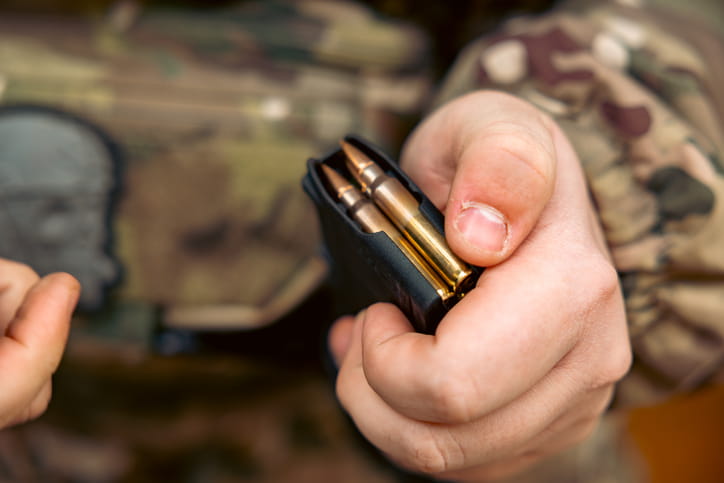
- 10-round magazines.
So yes, AR-15s are legal in New Jersey, provided they’re configured appropriately. An NJ-compliant AR rifle includes the features listed above and showcases the appropriate overall and barrel lengths.
NJ Compliant Shotguns: What You Can Actually Own
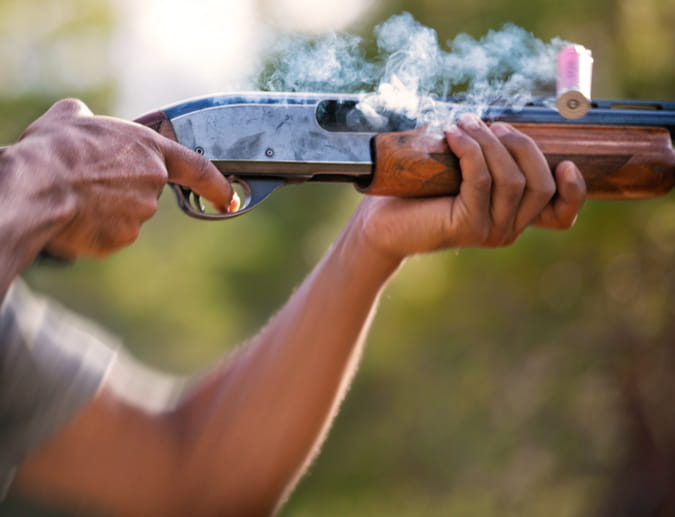
Typically, legal shotguns in New Jersey feature a pump action or single-shot configuration. Double-barreled shotguns are also lawful, provided they meet specific length requirements.
NJ shotgun laws impose similar restrictions to NJ rifle laws. Your shotgun barrels must be at least 18” long, and the weapon must have an overall length of 26” or more. The state prohibits high-capacity shotguns, although the capacity limit is lower compared to rifles. You also can’t possess a shotgun with a capacity greater than six shells.
Semi-auto shotguns aren’t banned entirely. However, they’re prohibited if they feature any of the following:
- A pistol grip.
- A folding stock.
- A detachable magazine with a capacity of more than six rounds.
- Other “tactical” features that may classify it as an assault weapon.
In general, it’s best to stick with pump-action shotguns. You should also avoid making any modifications to the stock or barrel without legal guidance, as doing so could make the gun illegal in New Jersey.
Quick Feature Checklist: Is This Rifle or Shotgun “NJ Compliant”?
When shopping for NJ-compliant rifles, use this simple checklist at the gun counter:
- Magazine capacity of 10 rounds or fewer.
- Fixed stock and grip.
- Pinned compensator.
- Overall length of 26” or more and a barrel length of at least 16”.
For shotguns, your checklist should include the following:
- Maximum capacity of six rounds.
- Fixed stock.
- No pistol grip.
- Meets length requirements.
The barrel length and overall length are two of the most important factors at play in terms of compliance. Under New Jersey’s firearm laws, shotguns with a barrel of less than 18” and rifles with a barrel of less than 16” are prohibited. Long guns with an overall length of less than 26” are also unlawful.
Practical Examples of NJ-Legal Rifle and Shotgun Setups
There are so many different brands and models of firearms that it’s impossible to cover them all. Instead, here are a few configuration examples you may encounter at your local gun shops that are legal in New Jersey:
- Bolt-action rifle with a four-round detachable magazine.
- Pump-action 12-gauge shotgun with a 24-inch barrel and a five-round tube.
- AR-pattern rifle with a 10-round magazine, 16” barrel, fixed stock, and pinned compensator.
The best way to find the right long gun for you is to choose a reputable local shop in the Lakewood area.
Common Mistakes That Can Make a Legal Gun Illegal
Unfortunately, Lakewood gun owners who mean no harm can accidentally make their guns illegal.
Examples include adding a folding or telescoping stock to a semi-auto rifle that already has a detachable magazine and pistol grip, installing higher-capacity mags, or unpinning a muzzle device. Many cool mods you see online aren’t legal in New Jersey, even if other states allow them.
If you’re planning a build or want to modify your rifle, it’s a good idea to run your ideas past a knowledgeable NJ FFL or firearms attorney. Our team is also happy to answer any questions you may have.